
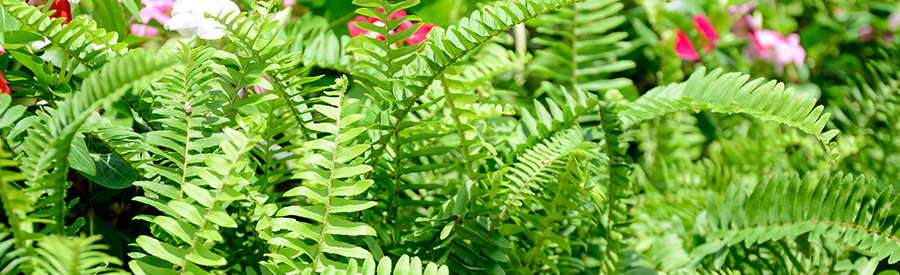
Few plants create a lush, tropical look quite as easily as the Boston fern. With its long, gracefully arching fronds and vibrant green color, this classic fern has been a favorite for porches, patios, hanging baskets and indoor spaces for generations. In Florida, Boston ferns are especially popular because they thrive in the warm, humid conditions found throughout much of the state.
A Plant That Loves Humidity
Boston ferns (Nephrolepis exaltata) appreciate the same conditions that make many tropical plants happy: warm temperatures, high humidity and plenty of indirect light. Outdoors, they perform best in bright shade or areas that receive filtered sunlight. Too much intense afternoon sun can scorch the delicate fronds, while very deep shade may result in thinner, less vigorous growth.
A covered porch, shaded lanai or protected area beneath trees can provide an excellent setting. Indoors, place your fern near a bright window where it receives plenty of natural light without prolonged direct sun.
Keep the Soil Consistently Moist
One of the most important parts of Boston fern care is moisture. These plants don’t like to dry out completely. Check the soil regularly and water when the surface begins to feel slightly dry.
Container-grown ferns may need more frequent watering during Florida’s hot weather, particularly hanging baskets where soil can dry quickly. At the same time, good drainage is important. The goal is consistently moist soil—not soggy soil.
Humidity also helps keep the foliage looking fresh. This is one reason Boston ferns often perform beautifully outdoors in Florida’s naturally humid climate.
Feeding your Boston Fern
Boston ferns benefit from periodic feeding during active growth. A balanced fertilizer applied according to label directions can encourage healthy foliage and maintain their rich green appearance.
Avoid overfertilizing. More isn’t necessarily better, and excessive fertilizer can damage roots or cause browning along the fronds.
Keeping Ferns Full and Attractive
Older fronds will naturally turn brown over time. Simply trim them away near the base of the plant to make room for fresh growth. Removing damaged or dried foliage also helps maintain the fern’s full, attractive appearance.
If a Boston fern begins looking thin or stressed, consider its growing conditions. Too much sun, insufficient water, low humidity or a root-bound container can all affect its appearance.
Boston Ferns Indoors
Boston ferns make beautiful houseplants, bringing softness, texture and natural greenery into a room. Indoor conditions can be somewhat more challenging because air conditioning often reduces humidity.
Keep indoor ferns away from drying air vents and provide bright, indirect light. Kitchens, bathrooms, sunrooms and other naturally humid areas can be particularly good locations when adequate light is available.
A Classic Choice for Florida
Whether cascading from a hanging basket, adding greenery to a shaded porch or bringing a touch of nature indoors, Boston ferns remain a versatile favorite. Their feathery foliage pairs beautifully with flowering tropicals and other shade-loving plants while also making an impressive display on their own.
Give your Boston fern bright indirect light, consistent moisture, good drainage and plenty of humidity, and you’ll have the foundation for a lush, healthy plant that provides beautiful greenery throughout the year.