
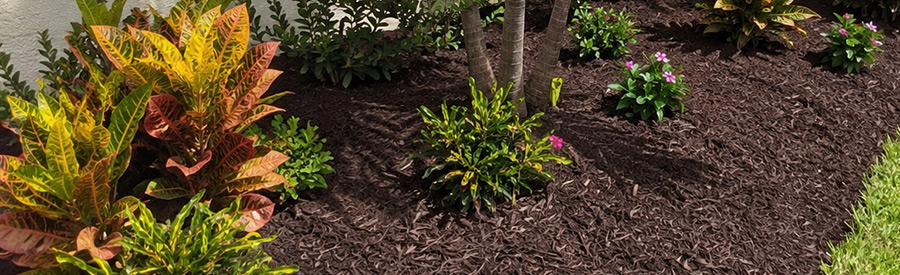
As summer takes hold in Sarasota and Southwest Florida, gardeners face a familiar challenge: keeping plants healthy through intense heat, strong sunlight and frequent weather swings. While watering often gets most of the attention, one of the most effective tools for protecting your landscape is much simpler—mulch.
A fresh layer of mulch does far more than improve the appearance of your garden beds. It helps regulate soil temperature, conserve moisture, suppress weeds and support healthier plants throughout the hottest months of the year. And those months are on the way!
Conserves Valuable Soil Moisture
Florida’s summer heat can quickly dry out exposed soil. Even with regular irrigation or rainfall, moisture can evaporate before plant roots have a chance to absorb and fully benefit.
Mulch acts as a protective barrier between the soil and the sun, slowing evaporation and helping the soil retain moisture longer. This means plants experience less stress between waterings, and homeowners may find they need to irrigate less frequently.
For container gardens, raised beds and newly planted landscapes, moisture retention can make a significant difference in plant health during summer.
Mulch Helps Keep Roots Cooler
While many plants enjoy warm weather, their roots can suffer when soil temperatures become excessively hot. Exposed soil absorbs and radiates heat, creating stressful conditions below the surface.
Mulch helps insulate the soil, reducing temperature fluctuations and keeping root zones cooler throughout the day. Cooler roots allow plants to focus their energy on growth, flowering and fruit production rather than simply surviving the heat.
This benefit is especially important for shrubs, flowering plants, vegetables and newly installed trees that are still becoming established.
Reduces Weed Growth
Summer heat and rainfall create ideal conditions not only for landscape plants but also for weeds. Left unchecked, weeds compete with desirable plants for water, nutrients and growing space.
A layer of mulch blocks sunlight from reaching weed seeds, making it much more difficult for them to germinate and spread. Fewer weeds mean less maintenance and more resources available for your landscape plants.
While mulch will not eliminate every weed, it can dramatically reduce the number that appear throughout the growing season.
Protects Soil During Heavy Rains
Southwest Florida’s rainy season often brings sudden downpours that can wash away soil and expose roots. Mulch helps absorb the impact of rainfall, reducing erosion and minimizing soil compaction.
By protecting the soil structure, mulch allows water to penetrate more effectively while helping maintain healthy root development.
Improves Soil Quality Over Time
Organic mulches such as pine bark, eucalyptus mulch, cypress mulch and shredded hardwood gradually break down over time. As they decompose, they add organic matter back into the soil.
This improves soil structure, encourages beneficial microorganisms and supports healthier root systems. Over the long term, regularly mulched garden beds often develop richer, more productive soil.
How Much Mulch Should You Use?
For most landscape beds, a layer of 2 to 3 inches is ideal. Applying too little may not provide sufficient benefits, while excessive mulch can restrict airflow and trap excess moisture around plant stems.
Keep mulch several inches away from the trunks of trees and the crowns of shrubs and perennials to prevent rot and disease issues.
Refresh Mulch Before Peak Summer Heat
If your mulch has thinned, faded or decomposed since last year, early summer is an excellent time to replenish it. A fresh layer will help your landscape handle the months ahead while giving garden beds a clean, finished appearance.
Whether you’re growing colorful annuals, tropical shrubs, vegetables or shade trees, mulch is one of the simplest and most cost-effective ways to improve plant health during Florida’s summer season.
Visit Your Farm & Garden for quality mulch, soil amendments and expert advice on keeping your Sarasota landscape thriving all summer long.