
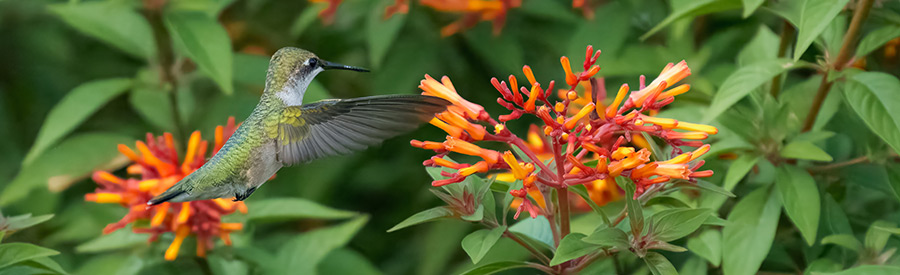
If you live in Sarasota, you’re in one of the best regions in the country to support pollinators year-round. With its subtropical climate, native plant diversity, and long growing season, Sarasota offers the perfect conditions to build a thriving pollinator garden that benefits bees, butterflies, hummingbirds, and even your local ecosystem.
Why Pollinator Gardens Matter
Pollinators are essential for plant reproduction, food production, and biodiversity. Unfortunately, habitat loss, pesticide use, and climate changes have reduced their populations. By creating a pollinator-friendly garden, you’re not just beautifying your yard—you’re actively helping restore ecological balance.
Creating Your Pollinator Garden
Follow these easy steps and you’ll be on your way to enjoying the visits of countless pollinators to your backyard as well as helping sustain our local ecosystem. Likewise, pick up your copy of our “Grounds & Native Plant Location Map” on your next visit (or download here).
Step 1: Choose the Right Location
Start by selecting a sunny area. Most pollinator plants thrive in full sun, meaning at least 6–8 hours of direct light per day. Make sure the space has good drainage, as Florida’s sandy soils can either drain too quickly or retain water depending on the area.
Step 2: Use Native Florida Plants
Native plants are the backbone of a successful pollinator garden. They are already adapted to Sarasota’s climate and require less maintenance once established.
Some excellent native choices include:
- Milkweed (critical for monarch butterflies)
- Firebush (attracts hummingbirds and butterflies)
- Coreopsis (Florida’s state wildflower)
- Blanket flower
- Coral honeysuckle
Using a mix of plants that bloom at different times ensures a continuous food source throughout the year.
Step 3: Provide Nectar and Host Plants
Pollinators need both nectar (food) and host plants (places to lay eggs and support larvae). For example, milkweed serves as both nectar and host plant for monarch butterflies. Without host plants, pollinators cannot complete their life cycles.
Step 4: Add Water Sources
Pollinators need water too. A shallow dish with stones, a birdbath, or even a small water feature can provide a safe place for insects and birds to drink without drowning.
Step 5: Avoid Pesticides
Even organic or “natural” pesticides can harm pollinators. Instead, encourage natural pest control by attracting beneficial insects like ladybugs and lacewings.
Step 6: Create Shelter and Diversity
Layer your garden with a mix of plant heights—ground covers, shrubs, and small trees. This creates shelter from wind and predators. Leaving a small area of leaf litter or natural debris can also provide nesting sites for native bees.
Step 7: Maintain with Florida’s Climate in Mind
Sarasota’s weather includes hot summers, mild winters, and occasional heavy rains. Choose drought-tolerant plants and water deeply but infrequently to encourage strong root systems. Mulching helps retain moisture and suppress weeds.
Seasonal Tips for Your Pollinator Garden
- Spring: Plant new additions and watch for early pollinator activity.
- Summer: Focus on watering and maintaining plant health.
- Fall: Add late-blooming plants for migrating species.
- Winter: Minimal care—many native plants will continue to support pollinators even in cooler months.
Final Thoughts
Creating a pollinator garden in Sarasota isn’t just a landscaping choice—it’s a meaningful contribution to the environment. With thoughtful plant selection and a bit of planning, your yard can become a vibrant sanctuary buzzing with life.