
October is an exciting time for gardeners in Sarasota and throughout Southwest Florida! While much of the country is preparing for winter, our growing season is just getting started. Gradually cooling temperatures, shorter days, and the transition to drier weather create excellent opportunities to refresh flower beds, grow vegetables, introduce new plants, and prepare landscapes for the months ahead.
Whether you’re tending a backyard garden, updating your landscaping, or adding color to your patio, here are some helpful gardening tips to make the most of October in Sarasota.
Refresh Your Garden with Fall Flowers
October is a wonderful time to bring fresh color into your landscape. After months of intense summer heat and humidity, many garden beds can benefit from a seasonal refresh.
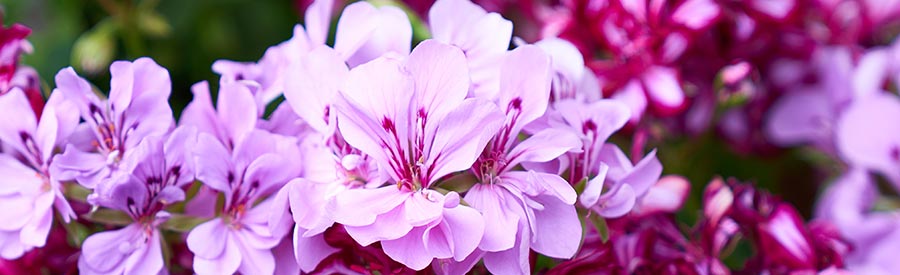
As temperatures begin to moderate, consider planting colorful annuals such as Petunias, Dianthus, Alyssum and Geraniums. These flowering favorites can brighten garden beds, borders, containers and hanging baskets throughout the cooler months.
Gerbera Daisies, Angelonia and other warm-season flowering plants can also provide beautiful color during our mild Florida fall.
Before planting, remove tired summer annuals, loosen compacted soil and incorporate organic matter to give new plants a healthy start. Be sure to consider each plant’s sunlight and watering requirements when choosing its location.
October Is Vegetable Gardening Season!
One of the biggest advantages of gardening in Southwest Florida is the opportunity to grow vegetables during the fall and winter.
October is an excellent month to establish a vegetable garden featuring cool-season crops such as Broccoli, Cabbage, Kale, Collard Greens, Lettuce, Carrots and Radishes.
Green Beans are another great option for fall planting, while Tomatoes and Peppers can continue producing as temperatures become more comfortable.
For the best results, choose a sunny location with well-drained soil enriched with compost or other organic matter. Most vegetables prefer at least six hours of direct sunlight each day.
If garden space is limited, consider growing vegetables in raised beds or large containers. Both offer greater control over soil quality, drainage and plant placement.
Grow Fresh Herbs for Your Kitchen
Fall is also an excellent season to establish an herb garden!
Cilantro, Parsley, Dill, Chives and Sage are especially appealing choices as temperatures begin to cool. These herbs add fresh flavor to your favorite recipes while bringing fragrance and greenery to patios, raised beds and garden borders.
Many herbs thrive in containers, making them ideal for gardeners with limited space. Place containers where plants receive appropriate sunlight, use a quality potting mix, and avoid allowing roots to remain in soggy soil.
Planting several different herbs together can create an attractive and practical garden that’s easy to maintain and harvest.
Prepare Your Garden for Florida’s Drier Months
October marks the gradual transition from Southwest Florida’s summer rainy season to our typically drier fall and winter months.
Although temperatures may be a little cooler, newly planted flowers, shrubs, trees and vegetables still require consistent moisture while their roots become established.
Monitor soil moisture rather than relying on a fixed watering schedule. Established landscape plants may need less frequent watering as temperatures moderate, while new plantings often require more attention.
Early morning is generally the best time to water. It allows plants to absorb moisture before the heat of the day while helping foliage dry more quickly.
This is also a good opportunity to inspect your irrigation system for clogged sprinkler heads, leaks or areas receiving too much or too little water.
Give Your Soil Some Attention
Healthy plants begin with healthy soil, and October is a good time to improve growing conditions throughout your garden.
After removing spent summer plants, work compost or other suitable organic amendments into garden beds to improve soil structure and support healthy root development.
Adding a fresh layer of mulch around landscape plants can also provide several benefits. Mulch helps retain soil moisture, moderates temperature fluctuations and reduces weed growth.
For most landscape beds, maintain approximately two to three inches of organic mulch, leaving a little space around plant stems and tree trunks to prevent excess moisture accumulation.
Remember that Florida soils can vary considerably, even within the same neighborhood. Selecting plants suited to your soil conditions is an important part of successful gardening.
Welcome Butterflies, Bees, and Other Pollinators
Fall gardening isn’t just about colorful flowers. It’s also an opportunity to create a landscape that supports beneficial wildlife.
Consider incorporating Florida native and pollinator-friendly plants such as Tropical Sage, Coreopsis, Frogfruit and other flowering varieties that provide food and habitat for butterflies, bees and hummingbirds.
Planting several varieties with different bloom periods can help maintain a consistent food source for pollinators throughout the year.
For an especially attractive garden, group flowering plants in clusters rather than scattering individual plants throughout the landscape. Larger groupings create greater visual impact and can make flowers easier for pollinators to locate.
Keep an Eye Out for Garden Pests
Although summer is winding down, many insects and plant diseases remain active in Sarasota’s warm fall weather.
Common pests such as Aphids and Whiteflies can continue feeding on ornamental plants and vegetables. Regularly inspect new growth and the undersides of leaves for early signs of trouble.
Watch for unusual discoloration, curled leaves, holes in foliage or sticky residue that may indicate insect activity.
Good air circulation, proper spacing and watering at soil level can also help reduce the conditions that encourage certain fungal diseases.
Whenever possible, identify the problem before choosing a treatment. Not every insect is harmful, and many beneficial insects help keep garden pests under control naturally.
Be Thoughtful About Pruning and Fertilizing
October is a good time to tidy up your landscape, but major pruning isn’t always necessary or beneficial.
Remove dead, damaged or diseased branches as needed, and lightly shape plants when appropriate. Avoid aggressive pruning that may encourage tender new growth just before cooler winter temperatures arrive.
Fertilizing also requires some consideration. Different plants have different nutritional needs, and applying too much fertilizer can encourage excessive growth or contribute to nutrient runoff.
Use products appropriate for your plants, follow label recommendations and observe local fertilizer regulations. When in doubt, a soil test can help determine whether additional nutrients are necessary.
Plan Ahead for a Beautiful Florida Winter
One of the best things about gardening in Sarasota is that our landscapes can remain colorful, productive and inviting throughout much of the winter. October is the perfect time to think about what you’d like your garden to look like over the next several months.
Perhaps you want to create a colorful display of seasonal flowers, establish a productive vegetable garden, add butterfly-friendly plants or introduce new shrubs and trees to your landscape.
Planning now allows new plantings time to develop healthy root systems while taking advantage of our generally milder growing conditions.
And remember, while Sarasota enjoys a subtropical climate, occasional winter cold fronts can still affect sensitive tropical plants. Keep future cold protection in mind when choosing planting locations.