
Southwest Florida is one of the most rewarding places in the country to grow fruit trees. With long, warm seasons, abundant sunshine, and mild winters, homeowners can enjoy fresh tropical fruit almost year-round. But our region also brings unique challenges—sandy soils, intense summer rain, high humidity, and occasional cold snaps. Choosing the right varieties and understanding how to care for them can make all the difference between a struggling tree and a thriving, productive backyard orchard.
Best Fruit Trees for Southwest Florida
Not all fruit trees love Florida’s heat and humidity—so selecting proven, Florida-friendly varieties is key.
Mango
Mango trees are arguably the #1 backyard fruit tree in SWFL. They love the heat, tolerate sandy soil, and reward you with incredibly sweet fruit. Popular, reliable varieties include Glenn, Carrie, Keitt, and Cogshall. Once established, mangos need minimal pampering and are naturally drought tolerant.
Avocado
Florida’s smooth-skinned avocados grow exceptionally well here. Varieties like Choquette, Brogdon, and Lula handle humidity better than the small Haas types. Avocados also grow faster than many people expect and can produce hundreds of fruits on a mature tree.
Citrus
From Meyer lemons to calamondins, citrus is a classic Florida staple. While citrus greening has affected commercial groves, backyard growers still have great success with proper fertilization and attentive care. Citrus loves full sun, excellent drainage, and consistent feeding with a citrus-specific fertilizer.
Guava
Guava trees thrive in heat, humidity, and lean soil—making them perfect for coastal and inland SWFL. Pink, red, and white-flesh varieties are fast-growing and can fruit within the first two years. They also attract pollinators and provide a tropical look to the landscape.
Loquat
If you want a fruit tree that’s low-maintenance and cold tolerant, the loquat is a winner. This small tree produces clusters of golden, apricot-like fruit in late winter and early spring. It’s also one of the few fruit trees that handles the occasional SWFL cold front without stress.
Starfruit (Carambola)
Starfruit trees are prolific producers—often yielding fruit twice a year. They prefer rich, well-watered soil and benefit from occasional micronutrients like iron and magnesium. Their crisp, juicy fruit is a favorite for juicing and fresh snacking.
Mulberry
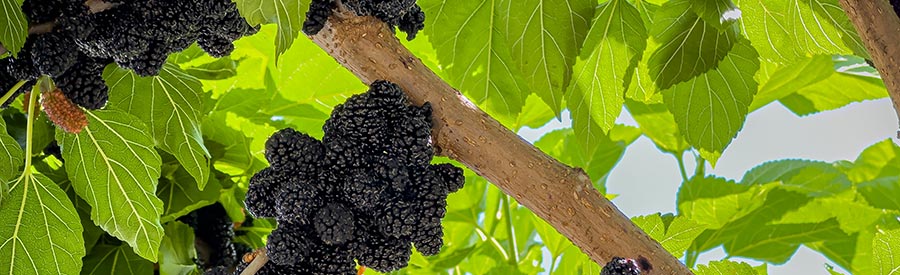
Mulberry trees are fast-growing, resilient, and extremely well suited to Southwest Florida’s climate. They thrive in sandy soil, tolerate drought once established, and can produce berries within their first year. Varieties like Pakistan, Everbearing, and Florida Giant are popular choices. The fruit is sweet, abundant, and excellent for fresh eating, jams, and baking. Mulberries also attract wildlife and provide light shade, making them a great multifunctional landscape tree.
What Makes SWFL Growing Conditions Unique?
Southwest Florida has a blend of tropical and subtropical characteristics. Understanding these conditions makes fruit-tree care far easier.
Sandy Soil
Our soils drain fast and don’t hold nutrients well. Regular fertilization is essential, especially for citrus, mango, avocado, and guava.
Summer Rain & Humidity
Frequent storms help young trees grow, but they can also cause root rot in poorly drained areas. Planting on a slight mound improves airflow and drainage.
Occasional Cold Snaps
While rare, a few nights below freezing can damage young tropical trees. Keep frost cloth handy for mango, avocado, and starfruit trees during winter.
Salt Exposure Near the Coast
Guava, loquat, and some avocado varieties tolerate more salt spray, but mango prefers protection from direct coastal winds.
How to Care for Fruit Trees in Southwest Florida
Once planted, consistent care ensures strong growth and long-term fruiting.
Planting
- Choose a sunny location—6+ hours of direct sun
- Plant slightly above grade to prevent standing water
- Use a high-quality, well-draining soil amendment around the root ball
Watering
Young trees need deep watering 2–3 times per week. After establishment, most tropical fruit trees become drought tolerant, relying more on natural rain.
Fertilization
Fruit trees are heavy feeders in Florida’s nutrient-poor soil. Use a slow-release fertilizer 3–4 times per year. Citrus requires a fertilizer with micronutrients like magnesium, manganese, and iron.
Pruning
Regular pruning:
- Shapes the tree
- Improves airflow
- Encourages better fruit production
Most pruning is best done after the main harvest.
Pest & Disease Management
Florida’s climate encourages pests like scale, aphids, and fruit fly. Use horticultural oils, neem, or organic insecticides as needed. Keep the area around the tree clean of dropped fruit to discourage pests.
Why Growing Fruit Trees in SWFL is Worth It
From garden-to-table eating to the beauty of lush green foliage, fruit trees offer both practical and aesthetic value. With the right varieties, a little planning, and consistent care, anyone in Southwest Florida can enjoy homegrown tropical fruit for years to come.