
Florida is one of the most plant-friendly states in the U.S. despite our climate presenting some unique gardening challenges. From nutrient-poor sandy soil to intense heat and seasonal downpours, keeping your garden productive without synthetic fertilizers takes some thoughtful strategy.
Thankfully, a wide range of organic fertilizer alternatives are not only better for your plants, but also protect local ecosystems and reduce nutrient runoff into local waterways, Sarasota Bay and the Gulf.
Read on for six organic fertilization options that can work well in our gardens.
Compost is Essential for Florida’s Sandy Soil
Florida’s soil lacks organic matter, especially in central and coastal areas. Compost improves water retention, boosts microbial life and provides slow-release nutrients.
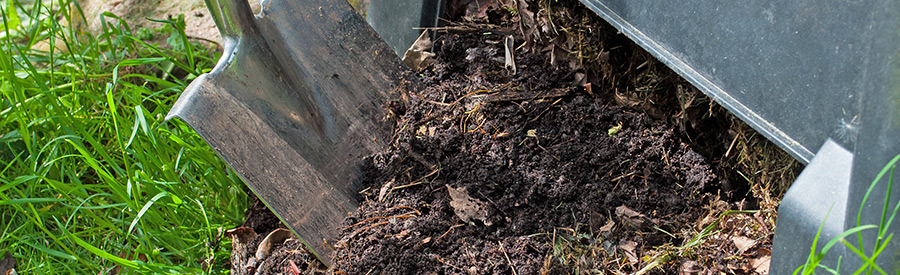
Use yard waste (i.e., leaves, palm fronds, grass clippings, etc.) to create a rich compost pile. You may also want to consider food scraps, however, but be mindful of those that would attract pests or give off unpleasant odors. Many counties in Florida offer composting workshops or discounted compost bins so check with your local UF/IFAS Extension office (941.861.9900).
We suggest that you mix into beds before planting and top-dress throughout the season, especially after summer rains.
Composted Manure is a Natural Nutrition
Florida’s long growing seasons are ideal for vegetables like tomatoes, peppers and corn, which benefit from aged animal manure. Horse, cow, rabbit, or chicken manure (once properly composted) provides nitrogen and organic matter.
Always use composted manure to avoid pathogens and excessive ammonia. You can find bulk manure at local farms or bagged options at your garden center.
Worm Castings are Gentle, Effective and Easy to Use
Worm castings, or vermicompost, are ideal for container gardening, raised beds and starting seeds. They’re packed with beneficial microbes and nutrients that won’t burn plants.
Plus, in Florida, they hold up well during heavy summer rains and work great with Florida’s native plant species and herbs.
Add to potting mixes or apply as a top dressing every 4–6 weeks.
Bone Meal & Blood Meal act as Organic Power Boosters
Bone and blood meals provide targeted support to your plants.
Specifically, Bone Meal adds phosphorus for root crops and flowering plants like hibiscus and bougainvillea. Blood Meal is high in nitrogen and ideal for leafy greens like kale, mustard and lettuce during Florida’s cool season (Oct–Feb). You’ll find our Espoma line carries the perfect mixes for our local conditions.
Mix into soil before planting or use as a monthly booster.
Seaweed and Kelp Extracts are Perfect for Coastal Climates
If you prefer, our proximity to the gulf makes seaweed-based fertilizers a natural choice. They’re rich in trace minerals, growth hormones and help plants resist heat and transplant stress.
Spray diluted liquid kelp on leaves every 2–3 weeks, especially during transplanting or drought conditions. As a cautionary note, never apply fresh, salty seaweed directly to plants. Always rinse thoroughly and compost first.
As a convenient alternative, bagged extracts are available. We recommend our Coast of Maine selections for optimal performance.
Cover Crops (Green Manure) can Build Soil During Off-Seasons
Florida’s fall and winter months offer excellent windows to plant cover crops that improve soil health. Popular options include:
- Sunn hemp, summer cover, adds nutrients and organic matter to soil (Crotalaria juncea L.)
- Crimson clover, cool-season cover, returns nitrogen to soil (Trifolium incarnatum)
- Black-eyed peas, a dual-purpose summer edible and soil builder/nitrogen-fixer (Vigna unguiculata)
Cover crops suppress weeds, prevent erosion during rainy season and improve fertility naturally.
Final Thoughts: Feed Florida’s Soil Naturally
By using organic fertilizers, you’re not just feeding your garden—you’re building resilient soil, protecting Florida’s fragile waterways and supporting a more sustainable food system.
Importantly, these natural alternatives work with our subtropical climate. Whether you’re in coastal Sarasota or inland, making the switch to organic inputs will help your plants thrive—season after season.