
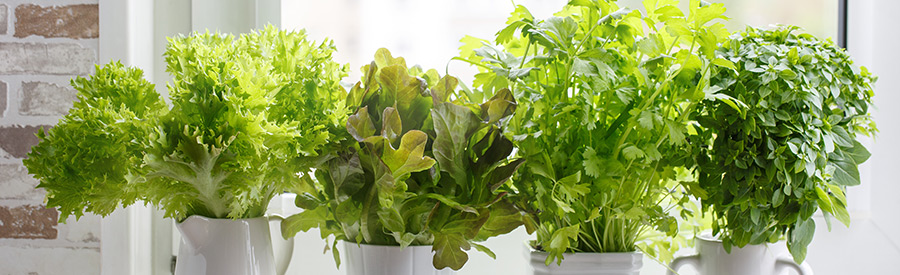
There’s something deeply satisfying about stepping outside your back door and harvesting dinner. A kitchen garden—filled with fresh herbs and vegetables—is more than just a trend. It’s a practical, beautiful, and rewarding way to bring flavor, nutrition, and freshness directly to your table.
Whether you have a sprawling kitchen or a few sunny window sills, creating a kitchen garden is simpler than you might think.
Why Start a Kitchen Garden?
A kitchen garden puts the freshest ingredients within arm’s reach. Instead of purchasing herbs wrapped in plastic or vegetables shipped across the country, you can snip, harvest, rinse, and cook within minutes. The flavor difference alone makes it worthwhile.
Beyond taste, growing your own food allows you to:
- Control how it’s grown
- Avoid unnecessary chemicals
- Reduce grocery costs
- Enjoy therapeutic time ‘outdoors’ while inside
And perhaps most importantly—it reconnects you with the seasons.
Essential Herbs for Every Kitchen Garden
Herbs are the backbone of a kitchen garden. They’re easy to grow, compact, and incredibly productive.
Sweet Basil thrives in warm weather and pairs beautifully with tomatoes, pasta dishes, and fresh salads. Regular harvesting actually encourages it to grow fuller and bushier.
Rosemary is drought-tolerant and loves sunshine. Its woody stems and fragrant leaves make it perfect for roasted vegetables and meats.
Thyme and Oregano are low-growing, hardy herbs that flourish in kitchen gardens. They add depth to soups, sauces, and Mediterranean dishes.
Chives bring a mild onion flavor and produce delicate purple blooms.
For those who love bold flavors, Cilantro grows quickly and is ideal for salsas and fresh garnishes.
Vegetables That Shine in a Kitchen Garden
Vegetables don’t require a large footprint to produce big rewards. Many varieties are perfectly suited for small spaces.
Lettuce varieties—such as romaine, butterhead, or loose-leaf types—grow quickly and allow for “cut-and-come-again” harvesting. Snip the outer leaves and the plant keeps producing.
Peppers, from sweet bell to spicy varieties, love warm conditions and offer continuous harvests once they begin fruiting.
Tomatoes are often the star of a kitchen garden. Choose compact or determinate varieties for containers, or indeterminate types if you have room to stake and support them.
Zucchini and Cucumbers are prolific producers. With proper sunlight and regular watering, just one or two plants can supply plenty for a household.
Kale and Swiss Chard offer long harvest windows and tolerate cooler temperatures, making them reliable choices throughout much of the year.
Designing for Success
A successful kitchen garden begins with sunlight. Most herbs and vegetables need at least six hours of direct sun daily. Good drainage is equally important—raised beds and quality potting mix help prevent root problems.
Consider grouping plants by water needs. Mediterranean herbs like rosemary and thyme prefer drier conditions, while leafy greens need consistent moisture.
Frequent harvesting keeps plants productive. The more you pick basil, lettuce, and many herbs, the more they grow. Regular feeding with a balanced fertilizer will also support steady growth and strong yields.
Small Space? No Problem.
Even balconies and patios can host a productive kitchen garden. Containers, vertical planters, and railing boxes maximize space while adding greenery to living areas. A simple collection of pots with basil, thyme, peppers, and cherry tomatoes can transform everyday cooking.
The key is choosing the right size container, using quality soil, and watering consistently.
From Garden to Table
The true magic of a kitchen garden happens in the kitchen. Fresh herbs elevate simple dishes. Homegrown tomatoes bring sweetness and depth to salads. Crisp lettuce harvested minutes before serving adds unmatched texture.
It’s not just about saving money or eating healthier—though those are welcome benefits. It’s about flavor, connection, and the quiet pride that comes from growing something yourself.
A kitchen garden doesn’t have to be large or complicated. Start with a few favorite herbs and vegetables. Watch them grow. Harvest often. Cook creatively.
Before long, your garden won’t just supply your meals—it will inspire them.